Winter transforms the surface of our planet to a serene, frozen one, however, winter is a time of continuous trials for your roof. It is the unseen guardian that protects your roof from the cold, snow, ice and big winds. Even though it is made to fight the elements, every roof has its breaking point. It is very crucial to see the signs of deterioration which may be highlighted by winter’s long-lasting impact.
A gamble with high stakes is what it means for you to ignore such signs. A small issue that you do not need or appreciate much could become major water damage or repair work by ignoring such signs. It is by understanding such signs that you become an active participant instead of a mere observer, allowing you to make your house a safe haven by protecting it.
The Vulnerability Within: The Impact of Winter Weather on Your Home’s Roof
In order to recognise any damage indicators, it may assist you to have knowledge about how weather conditions affect what is likely to happen to your roof.
Weather Pressure exerted by Windows – A primary element of damage due to winter weather. Water will seep into places where air gets access after the frost melts. When air and temperature drop, the water will form ice on top of the frozen ground, this increases the volume of cracks and crevices due to expansion due to volume creation, therefore increasing the probability of further damage occurring and continuing down to the road for as long as that road exists.
Snow Accumulation Weight – Light, fluffy snow has an initial light weight. As snow continues to fall, compact, melt, and refreeze, the total weight becomes heavier. The consistency of heavy snowfall compounded with heavy rains, creates an incredible amount (tens of thousands of pounds) of vertical downward force upon the “decking” of a home and supporting structure (i.e., beams and columns).
Ice Dams Forming On Roof – As previously detailed, heat retained in the attic area melts the snow directly over the top of the rafters; when that melted water flow downwards, freezes again and continues forming, it traps all of that ice dammed water and forces it under the shingles and into the home interior.
Wind Roof Uplift – In winter months, strong winds will blow under and between shingles, lifting them, breaking the water resistant seal and causing complete removal of shingles when lifting.
Early Warning Signs That Require Immediate Attention
These are your early warning signs that your roof has reached a critical point where it will require immediate assistance. If you are able to catch these warning signs early enough, you can save yourself from spending a lot of money on a complete roof replacement.
1. The Signs of Roof Damage Discovered in Your Attic
- To find out the state of your roof, the attic is the place to look. Stains or other signs of serious roof damage will be seen in the attic even before any moisture reaches your living room.
- Any kind of discoloration on the underside of the roof deck in the attic could indicate that water is dripping down from the roof. In case there are wet spots on the plywood ceiling or rafters, then your roof is most probably having moisture problems.
- If you observe sunlight coming through the roof boards, then it could be a big entry point for water and air.
- If your roof rafters are sagging between the rafters, this is a sign that the moisture in your roof deck has weakened the roof deck or that the snow load on the roof has caused damage.
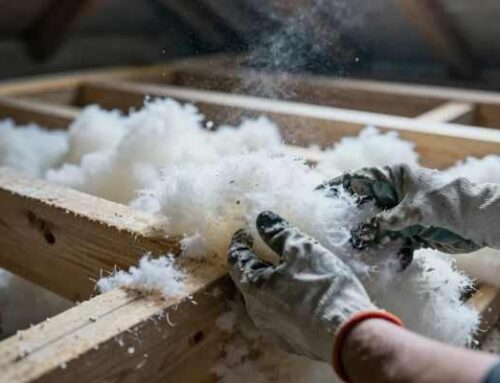
- If the insulation has any signs of dampness, staining or has become matted down, it has lost a significant amount of R-value and indicates a moisture issue with your roof.
2. Important signs that your roof has damage from below include
Curling shingles and or cracked/missing shingle parts are like large holes on your roof where water get into your roofing underlayment.
Excessive quantities of granules in your rain gutters can indicate a worn-out roofing surface because of damage to the granule layers on your shingles.
The flashing around your chimney and pipes, can be inspected for good condition. A rusted hole in your chimney or pipe flashing, or if your flashing has come loose from your chimney or pipes, is a good indication that it is time for a replacement.
Ice accumulations at the edge of your roof are an indication that your attic has poor ventilation (air flow) and will cause more water to build up under your shingles and increase the risk of ice dams forming in the roofing assembly.
3. The Interior Alarms You Experience in Your Home
When an issue persists, visible signs will present themselves through your home’s interior environment.
Signs Include: Water Stains on the Ceiling or Walls. Water stains that appear yellowish-brown and present themselves on the uppermost portion of your wall and in the middle of your ceiling are a common indication of a leaking roof.
Signs Include: Sagging Ceilings. A sagging ceiling is one of the major indications of water build-up on your ceilings and it could be a reason for a possible ceiling collapse.
What You Should Do: Review All Evidence and Document Your Findings
Photograph Everything: If you discover any of the above evidence, photograph these issues with a clear date stamp, as this documentation will be important for the insurance company as well as your roofing contractor.
Mitigating Immediate Damage: If you notice a leak(s), place buckets or containers to collect the water and nurse valuable items away from the leak(s). You can also use a temporary tarp on less visible damage until repairs can be made.
Hire a Professional Roofer: This is not a project that you will undertake by yourself. It is important that you seek the services of a professional to evaluate the extent of the damage that your roof is likely to have suffered. This professional will help you with filing a claim in case you need compensation.
Conclusion: Monitoring Your Roof is Your Best Protection
Your roof is functioning in winter not by luck but by the principles of physics, with proper maintenance. When you understand what your roof is up against in the winter conditions that test the roof to its limits and learn about the signs of a roof in trouble, you become the authority for your roof.
A spot on your ceiling or some missing shingles on your roof do not need to be ignored. It is the roof’s way of trying to alert you to repair it before things get too loud. A proactive approach to maintaining your roof is the best course of action you can undertake to protect yourself from the challenges that the upcoming winter brings. You can be assured that while the snow is falling madly outside and the winds are screaming like a lunatic, you would be warm and snug in your house.