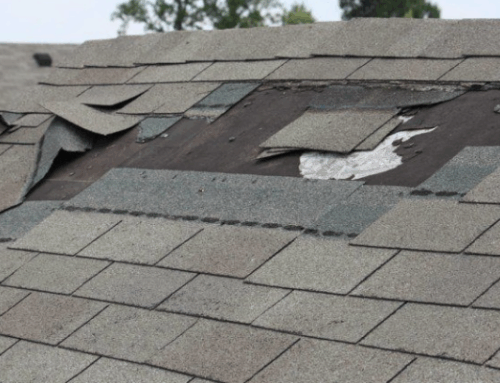
The roof is probably the first protector of your home against a violent storm and bears the brunt of the weather the most. The elements like wind, rain, hail, and debris can all cause damage, either seen or unseen to the house’s safe structure and protective covering. It is very important to take early and prompt action after the storm. A roof inspection following bad weather not only reveals hidden damage that might lead to great expenses but also helps in avoiding big structural problems and costs in the long run. This article is going to lead you step by step through the process of what to do after the storm..
1. Start with a Safety Check
Before you take a walk outside, it is recommended that you first look over the area. Search for electrical wires that have fallen down, branches that are about to fall, broken bottles, or places where water is not moving but could be dangerous. In case there is a need for the roof to be checked, do not go up there immediately — it might be wet or not sturdy. If you desire, you m0ay attempt to observe visually from the ground through binoculars or by using the zoom camera of your phone. The initial safety check will grant you the confidence that you will be safeguarded while taking the situation into account in a responsible manner.
2. Inspect the Attic and Ceilings
The attic is the one that betrays the outer surface of the damage; hence, it is the place where the roof issues are shown clearly. Wet insulation and black areas in the wood frame, mold in the process of formation, or even light breaking through the gaps in the roof sheeting are all things that a flashlight can help you locate. If you are looking at the ceilings inside the house, the same signs should be visible: paint bubbles, discolored areas, or plaster that has fallen.
All these phenomena indicate a water leak. Early detection of leaks will not only restrict the spread of damage but will also prevent the appearance of mold and rot, and will reduce the risk of electrical problems and the need for expensive repairs in the interior of the house.
3. Thoroughly Document Everything
Good documentation can be the best defense with respect to your insurance claim. Always take as many high-quality photos or videos from various angles and lights to show the damage in different ways. Make sure it is clear that the damage is actually the damage— this means taking close-ups of the damaged area (missing shingles, dents, etc.) and wide shots that show the extent of the damage. Note the date and time of the storm and, when possible, include the event name (i.e., hail, windstorm, heavy rain, etc.). Quality documentation will serve not only to support the smoothest process with an insurance company, but also more credibly.
4. Call a Professional Roofing Contractor
Ultimately, the specialists are to be consulted after you have performed your initial inspection of the roof. A certified roofing contractor is capable of performing the entire inspection, besides the places you might not be able to access safely. They use moisture meters and infrared scanners to detect the locations of concealed leaks, assess the condition of the underlayment, and determine the strength of the structure. A thorough report, suggestions for repairs, and an estimate are also provided by a professional, which is necessary for the insurance claim process. When an experienced roofer is hired, oversight is avoided, and the fixing is done correctly at once.
5. Make Temporary Repairs if Needed
Should there be any uncovered spots on the roof or an active leak, immediately apply temporary emergency fixings to halt the extent of the damage. The use of tarps, plastic sheets, or waterproof sealants can be made to cover the affected areas. But, if it’s about huge damage or damage that is difficult to deal with, don’t try to fix it yourself, but call the expert. Temporary fixes are only for the protection of your home, waiting for safe permanent repairs or replacements to come.
Conclusion: Timely Action Protects Your Home’s Future
Even if you haven’t experienced the storm’s impacts, the measures that you would take could be the ones to guarantee your regular and succeeding homes. It is a bitter fact that the storms can catch one unawares at times, but to be very active and strategic after the tempest has ceased is what will determine your fate. A timely and detailed roof inspection will lead you to discover the problems much earlier than you otherwise would and consequently stem the cost of repairs and protect your house from storm damage. One mantra that you should keep in mind, as is the case with everything related to your roof, is that the sooner you act after the storm, the more effectively the structure will be able to ensure the safety of you and your family now and in the future.