Near the end of autumn, most people will begin to prepare for winter by taking care of things around the house that can easily be done and seen from outside (clean guttering and put away the patio furniture and have heating looked at), but one thing that many home owners leave until it is too late is doing a complete inspection of the roof to look for any possible problems. To understand this seasonal roof inspection is so important, it is necessary to look beyond just the outside of your roof to the more complicated processes of roof performance in winter, i.e thermal cycling and roof performance in winter.
The Process of Roof Performance in Winter
The combination of the many different environmental stresses that are placed on the roofing systems during the winter months creates a precarious set of conditions, resulting in many roofing system components working together to deteriorate.
The fall-to-spring transition will create three primary environmental stressors that will result in the need for a complete inspection of the roofing system before the onset of winter:
Thermal Cycling and Material Fatigue. Every time there is a temperature change from day to night, the roofing material will first expand at day and then contract at night. This thermal cycling movement of the material will exert stress on the fasteners and sealant which means fasteners and sealant will get compromised.
Additionally, the repeated freezing and thawing will result in the shingles loosening and will eventually become dislodged from the roofing system. What may have been a minor roofing issue at the end of autumn will become a major roof failure point as a result of the repeated cycle of freeze and thaw.
Physics of How Ice Dams Form
One of the reasons it is so important to conduct a pre-winter inspection of your home is because of the way ice dams form.
In case the heat from your attic goes off to the roof deck and that causes the roof surface to be heated up, then a temperature difference exists throughout the whole roof. The roof’s upper part’s heat will be greater than the lower part’s heat, and thus the melting process of snow will take place on the upper roof while the snow coming down on the cold eaves will turn into ice. The cycle will keep on continuing till proper insulation and ventilation in your attic are carried out, and it is very crucial to spot the thermal leaks before winter to prevent the formation of ice dams.
Weight of Snow from a Load Perspective
At first glance, the weight of snow may appear to be a simple matter of static load; however, its effects are far more complicated than just using a simple static load.
The process of snow accumulation and melting has a significant impact on its density, wherein every phase change causes an increase in density. For instance, a heavyweight and solid ice with a density of 40 pounds per cubic foot could possibly be resting on your roof after repacking from a very airy and soft snow.
Complete Inspection Process
An effective and thorough pre-winter inspection is more than just a visual inspection of the exterior from the ground. It is an organized method to inspect the following basic six (6) systems of your home:
1. Structural Integrity Survey:
Rafter and truss observation for indications of bending or bonding
Deck surface assessment for the presence of water marks, soft areas, and failure
Fascia and soffit assessment for secure and functional attachment to the roof deck.
2. Waterproofing Evaluation:
Shingle surface inspection for curling edges, cracks in shingles, or loss of granules
Flashing assessment at all penetrations and transitions within the roof assembly
Sealant assessment at all vents, pipes, and other protrusions through the roof surface.
3. Ventilation Analysis:
This methodology consists of finding out the required vent area for the attic’s volume, verifying that the air influx (via the soffits) and air efflux (through the ridge or roof vents) are correctly balanced, as well as employing sophisticated instruments for airflow measurement and hidden hot spots detection where heat is maintained.
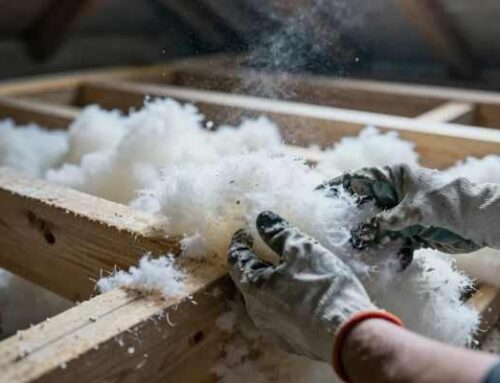
4. Insulation Performance Verification:
Evaluate the depth and distribution of insulation to determine compliance with local R-value standards
Look for evidence of any form of compression, settling, or moisture contamination
Ensure there is a proper baffle installed at all eaves
5. Drainage System Verification:
Calculate the required gutters and downspouts needed for projected precipitation totals
Inspect the slope and alignment of all gutters and downspouts
Evaluate the debris management systems
6. Historical Defects:
Compare current inspection findings to past inspection reports to identify issues with continued degradation
Keep records of all repairs performed, as well as the materials used, including any known problems with these materials, over the life of the property.
“The Consequences of Deferral”
When a pre-winter inspection is deferred, it triggers a series of possible failures:
_The Amplification Effect_
Small leaks become big issues in the winter climate. A small torn shingle in September could become a big leak in January after multiple freeze/thaw cycles have expanded the opening.
Compounding: A Cost Factor
It is always more economical to attend to roof problems before the onset of winter. This is because emergency winter maintenance is always 30-50% more expensive because of the challenges involved.
The Insurance Complications
Insurance
Homeowners’ policies often include certain maintenance stipulations that must be met. A possible issue with respect to winter damage could potentially be impacted by the homeowner’s failure to make reasonable inspections before winter.
Conclusion: The Final Analysis
In order to do this, a pre-winter roof inspection should not be viewed as just another seasonal to-do list item. It is a critical engineering analysis that determines the weaknesses of the roof before they are abused by the severe elements of the winter season. The information acquired from this inspection serves as the basis for making proactive choices regarding maintenance that will avoid catastrophic failures.
In roofing, as in most technical areas, preventing something from happening costs significantly less than fixing it after it happens. By recognising the significance of pre-winter inspections and doing them regularly, homeowners shift their focus away from fire-fighting reactive repairs toward proactive, strategy-based management of their valuable asset. The roof is the most important fortification for your home; thus, performing a thorough evaluation prior to winter is simply good engineering.