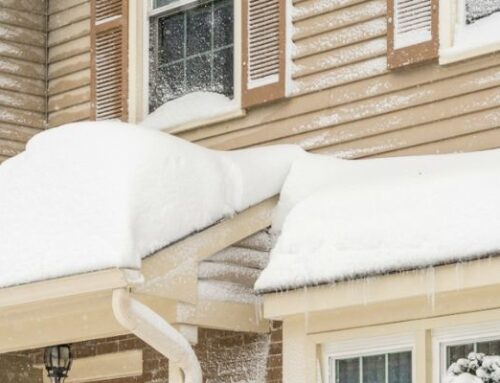
The serene beauty of winter can distract a homeowner from the damage being done to their home’s siding by the elements. What most homeowners are not aware of is that winter can be devastating to your home’s siding. During winter months, the weather is dynamic with blizzards, high winds & heavy snow. All of these conditions can break down the exterior materials of your home like Siding.
A homeowner who comprehends the process and reasoning behind winter being such a detrimental factor to their siding will consequently minimize the risk of expensive maintenance to a great extent and ensure that the exterior of their house is attractive throughout the year.
Why is winter so damaging to siding? Here are the top two issues;
1. Freeze and thaw cycles – The primary villain to the siding materials is moisture. In the winter time, there are low temperatures and moisture infiltrates the siding through tiny fissures and cracks or in case of porous siding it gets absorbed. In the latter situation, when the moisture freezes, it takes up more space. The other way, the temperature gets to the point when the moisture is thawed and thus more moisture will penetrate back into the siding and then freeze again. The waxing and waning of moisture in such a manner will last throughout the winter.
2. Wind driven moisture – Severe winter storms create extremely high wind conditions which drive rain, sleet, and/or snow into the side of your home at an extremely high rate of speed. This wind-driven moisture can penetrate the seams and/or joints of your siding materials, taking advantage of any existing deficiencies in the siding materials. If your siding is constructed of wood-type materials, any time wood-type siding is exposed to excessive amounts of moisture for a prolonged period of time, it will likely fail to provide a proper seal and/or create an environment to grow a potential source of mold.
3. Temperature variations – In the case of temperature variations the siding materials will go through expansion and contraction; therefore, each drastic temperature change will put them under more pressure. This can be compared to a change from a hot sunny afternoon to a freezing night. Ultimately, all this movement will cause the siding materials and fasteners to develop creases, and gaps will be formed and/or the siding’s structural strength will be reduced.
4. Ice Dams – In extremely low temperatures, the edges of the roofs can have ice formation. The ice will trap the water generated by melted snow and let it slowly seep through the shingles and, in exceptional situations, even the siding. Besides, the snow massing up around the home will keep the siding damp for quite some time, thus ultimately causing moisture damage.
Due to shorter days and extreme weather conditions, it is not as easy to see problems developing, such as small cracks, loose panels, or mold. Once spring arrives, there is a great chance that the minor problems have turned into major repairs.
How to Protect Your Siding Before Winter?
Pre-Winter Preparation
The Autumn Inspection
- Let it not come to the frost. Go for a gentle walk around your dwelling in the early days of autumn.
- Identify flaws: Fractions, holes, loose boards, or signs of bugs entering.
- Examine joints and filling: All window, door, and corner joints and filling should be carefully checked and if they are in bad condition, they should be replaced.
- Make it clean: Get rid of all dirt, fungi, and any items that could be on the waterlogged ground.
- Vegetation Management: Trim or cut down all the trees and shrubs that are in contact with your wall and thus creating marks or retaining moisture.
Enhance Airflow and Insulation
Sufficient attic ventilation is one of the few ways to deflect the formation of ice dams. First-rate wall insulation will not allow any heat from the house to escape through the walls, thus helping to keep the inner wall space—where moisture could be a problem for the siding’s backing—dryer.
Do Repairs Without Delay
When you see some damage caused by winter—such as a wind-torn panel—do a temporary fix with waterproof tape or sheeting until a permanent fix can be done during warmer months.
Signs Your Siding Needs Attention After Winter:
When spring comes, do a detailed inspection. Check for:
- Panels with cracks or splits
- Loose, sagging, or entirely missing parts
- Soft areas (particularly on wood)
- Fungal growth, mildew, or discoloration
- Paint flaking or blistering (moisture behind siding)
- More drafts or higher energy bills (siding may be damaged)
In case you notice major damage, it is better to get an expert’s opinion. Quick repairs not only save your house from further structural problems but also increase its market value.
Final Thought: Winter Doesn’t Have to Win:
Your siding is put through its paces, but it can still beat the harshest winters if proper care is taken and seasonal awareness is applied. Besides, who doesn’t want to spend cold months in a house that is not only warm and safe but also a beautiful place due to its exterior?
So, keep the fires roaring, keep the rain out, and let your siding perform its function this winter.